2026 Homebuyer Mortgage Rates: What to Expect from HousingAs prospective homebuyers and homeowners closely monitor interest rate trends, homebuyer mortgage rates remain one of the most important factors shaping the housing market in 2026. According to a new forecast from Redfin, mortgage rates are expected to remain elevated compared to the historic lows seen during the pandemic. However, shifts in the broader economy and monetary policy could influence rate movement throughout the year. Current Homebuyer Mortgage Rate LandscapeThe average 30-year fixed mortgage rate for a home buyer ended 2025 near 6.3%, reflecting ongoing affordability challenges for buyers. While rates have cooled from their recent peaks, they remain significantly higher than the sub-4% mortgage rates many homeowners locked in during 2020 and 2021. For buyers entering the market in 2026, today’s mortgage rates mean:
Because of this, monitoring mortgage rate trends has become essential for anyone planning to buy, refinance, or invest in real estate. |
What You Will Learn When Reading This Article
|
2026 Mortgage Rate Forecast
Economists suggest that mortgage rates may not decline dramatically in 2026, even if short-term interest rates are cut.
Many consumers assume mortgage rates move directly with Federal Reserve rate decisions. However, mortgage rates are more closely tied to:
- 10-year Treasury yields
- Inflation expectations
- Economic growth forecasts
- Investor demand in the bond market
Even if the Federal Reserve lowers the federal funds rate, long-term mortgage rates may only decline modestly. Redfin projects that rates could dip into the low-6% range at times, but a return to ultra-low pandemic-era rates is unlikely.
Why Federal Reserve Policy Still Matters
Although the Federal Reserve does not directly set mortgage rates, its monetary policy decisions strongly influence financial markets.
Fed policy affects:
- Inflation outlook
- Bond market yields
- Investor confidence
- Overall economic growth expectations
Changes in Fed leadership or policy direction in 2026 could introduce volatility, but mortgage rate movements will ultimately depend on broader market forces rather than rate cuts alone.
How Mortgage Rates Impact Home Affordability
Homebuyer mortgage rates have a direct impact on affordability. Even a
0.5% shift in a 30-year fixed mortgage rate can significantly change a
borrower’s monthly payment.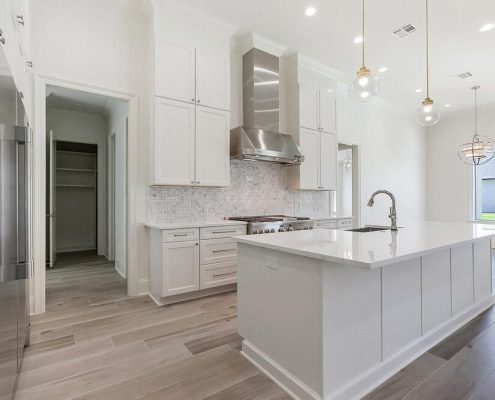
At rates above 6%, buyers face:
- Higher total interest paid over the life of the loan
- Tighter debt-to-income qualification limits
- Reduced home price budgets
This environment may keep some homeowners “rate locked,” hesitant to sell because they currently hold mortgages with much lower interest rates. That dynamic could continue to constrain housing inventory in 2026.
2026 Mortgage Rate Outlook: What Buyers Should Watch
If you’re planning to purchase a home or refinance in 2026, keep an eye on:
- 30-year fixed mortgage rate trends
- 10-year Treasury yield movements
- Inflation data releases
- Federal Reserve policy announcements
Small movements in mortgage rates can significantly affect borrowing costs, making timing and lender comparison increasingly important.
Key Takeaways
- Mortgage rates are expected to remain elevated in 2026.
- Large rate drops are unlikely, even if short-term rates decline.
- Bond market dynamics will continue to drive long-term mortgage rates.
- Affordability challenges will persist for many buyers.
For homebuyers and homeowners alike, understanding the 2026 mortgage rate forecast is critical to making informed real estate and refinancing decisions.
No comments:
Post a Comment