Thursday, January 29, 2026

Plaquemines Parish Launches “Safe Streets for All”


Plaquemines Parish Invites Community Input on Road Safety with “Safe Streets for All”

Plaquemines Parish Government has announced a new community‑driven initiative aimed at improving road safety and accessibility for all residents and visitors. The Safe Streets for All Plan is designed to make transportation safer whether people are walking, biking, driving, or using mobility aids throughout the parish.

A Community‑Focused Approach to Safer Roads

Plaquemines Parish officials are collecting feedback from residents as part of the planning process for the Safe Streets for All Plan. The parish government has launched an online workshop and survey to gather input from local street users, emphasizing the importance of community insights in shaping safer transportation networks.

What You Will Learn When Reading This Article
  • Plaquemines Parish Government has launched a Safe Streets for All Plan aimed at improving road safety and accessibility across the parish.

  • The initiative focuses on making streets safer for drivers, pedestrians, cyclists, and individuals using mobility devices.

  • Parish officials are seeking community input through an online survey and public engagement efforts.

  • Feedback from residents will help guide future transportation improvements and infrastructure planning in Plaquemines Parish.

“We’re developing a Safe Streets for All Plan, and we want to hear from the people who use our roads every day,” officials said, encouraging participation from walkers, drivers, cyclists, and individuals using mobility devices.

By inviting residents’ experiences and ideas, Plaquemines Parish aims to ensure that transportation improvements accurately reflect the needs of its diverse population.

What the Safe Streets for All Plan Means for Plaquemines Parish

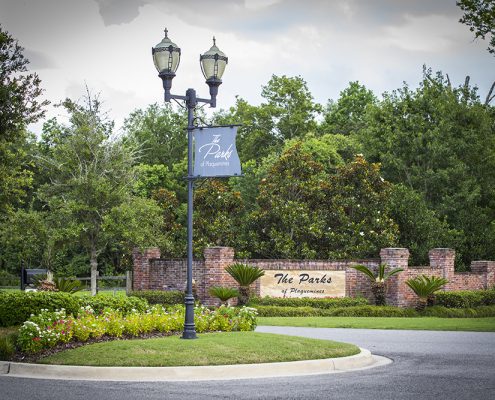
The Safe Streets for All Plan represents a strategic effort to rethink transportation safety and accessibility across Plaquemines Parish, which includes residential communities, rural routes, and key local corridors. Community input will help identify problem areas, prioritize improvements, and guide the parish toward actionable road safety measures.Plaquemines Parish officials are gathering public input for the Safe Streets for All Plan to enhance traffic safety and accessibility parishwide.
The parish’s outreach reflects a growing trend in Louisiana and nationwide to involve local voices in transportation planning and Complete Streets approaches, which focus on accommodating all modes of travel safely and equitably.

How Residents Can Participate

Residents of Plaquemines Parish are encouraged to take part in the online survey and attend workshops designed to collect feedback on road safety priorities. The parish government has stressed that all experiences matter, whether you:

  • Walk or run along local sidewalks
  • Ride a bicycle or use a mobility device
  • Drive to work, school, or community events
  • Cross streets near homes, schools, or businesses

These insights are instrumental in helping planners identify safety challenges and design effective solutions that benefit everyone who travels within the parish.

By participating, community members can help shape the future of transportation in Plaquemines Parish and support the development of streets that are safer and more accessible for generations to come.

 

Click Here for the Source of the Information.

Wednesday, January 21, 2026

Plaquemines Parish Schools Expand with New Belle Chasse High School Campus

A new Belle Chasse High School campus is coming as Plaquemines Parish schools secure 54 acres for future construction and expansion. 


New High School Campus for Plaquemines Parish Schools

The Plaquemines Parish School Board (PPSB) has taken a major step forward in supporting local students and strengthening public education by acquiring 54 acres of land for a future Belle Chasse High School (BCHS) campus. This strategic purchase reflects the district’s ongoing commitment to improving school facilities and meeting the needs of families across Plaquemines Parish.

A New Home for Belle Chasse High School

The Plaquemines Parish School Board finalized its purchase of 54 acres on Main Street near F. Edward Hebert Boulevard in Belle Chasse, marking a significant milestone in plans for a state-of-the-art BCHS campus for Plaquemines Parish Schools.

What You Will Learn When Reading This Article
  • The Plaquemines Parish School Board has purchased 54 acres in Belle Chasse for a future Belle Chasse High School campus.
  • The new BCHS campus will provide modern classrooms, athletic fields, and facilities to support growing student needs.
  • This land acquisition is part of the district’s long-term plan to expand and improve Plaquemines Parish schools.
  • The project aims to enhance learning opportunities and accommodate future student population growth in the parish.

This land acquisition will allow the district to:

  • Build a modern high school campus designed for future growth
  • Potentially relieve space constraints at the current Belle Chasse High School facility
  • Provide updated classrooms, athletic fields, and learning environments tailored to 21st-century education

The move underscores the School Board’s proactive approach to long-term educational planning and community investment. 

Impact on Plaquemines Parish School District

The planned BCHS campus is one of the most significant developments in the Plaquemines Parish School Board’s efforts to improve district facilities. The school board oversees all public education in Plaquemines Parish, including elementary, middle, and high schools, and strives to provide students with safe, high-quality learning environments.

With this new campus location secured, the district can begin laying the groundwork for future construction phases, which may include:

  • Modern academic buildings and technology labs
  • Expanded athletic and extracurricular facilities
  • Enhanced spaces for arts, science, and career education

These improvements aim to better serve students from Belle Chasse and surrounding communities while supporting educational excellence throughout the parish.

What This Means for Families and Students

For families in Plaquemines Parish, the new land acquisition represents hope for a stronger, more modern public school experience. It positions the district to:

  • Improve classroom quality and capacity
  • Accommodate student population growth
  • Enhance opportunities for academic achievement and community engagement

The Belle Chasse High School Cardinals are a central part of life in the parish, and this new campus initiative supports the district’s vision of strengthening student success across all grade levels.


Click Here for the Source of the Information.

Friday, January 16, 2026

Homebuyer Mortgage Rates in 2026: Predictions for the Housing Market


2026 Homebuyer Mortgage Rates: What to Expect from Housing

As prospective homebuyers and homeowners closely monitor interest rate trends, homebuyer mortgage rates remain one of the most important factors shaping the housing market in 2026. According to a new forecast from Redfin, mortgage rates are expected to remain elevated compared to the historic lows seen during the pandemic. However, shifts in the broader economy and monetary policy could influence rate movement throughout the year.

Current Homebuyer Mortgage Rate Landscape

The average 30-year fixed mortgage rate for a home buyer ended 2025 near 6.3%, reflecting ongoing affordability challenges for buyers. While rates have cooled from their recent peaks, they remain significantly higher than the sub-4% mortgage rates many homeowners locked in during 2020 and 2021.

For buyers entering the market in 2026, today’s mortgage rates mean:

  • Higher monthly mortgage payments
  • Reduced purchasing power
  • Increased sensitivity to even small rate fluctuations

Because of this, monitoring mortgage rate trends has become essential for anyone planning to buy, refinance, or invest in real estate.

What You Will Learn When Reading This Article
  • Mortgage rates in 2026 are expected to remain elevated, with 30-year fixed rates likely hovering in the low-6% range rather than returning to pandemic-era lows.
  • Mortgage rate forecasts suggest any declines will be modest, even if the Federal Reserve cuts short-term interest rates.
  • Long-term mortgage rates are driven primarily by bond market trends, including 10-year Treasury yields and inflation expectations.
  • Higher mortgage rates will continue to impact home affordability, monthly payments, and refinancing decisions throughout 2026.

2026 Mortgage Rate Forecast

Economists suggest that mortgage rates may not decline dramatically in 2026, even if short-term interest rates are cut.

Many consumers assume mortgage rates move directly with Federal Reserve rate decisions. However, mortgage rates are more closely tied to:

  • 10-year Treasury yields
  • Inflation expectations
  • Economic growth forecasts
  • Investor demand in the bond market

Even if the Federal Reserve lowers the federal funds rate, long-term mortgage rates may only decline modestly. Redfin projects that rates could dip into the low-6% range at times, but a return to ultra-low pandemic-era rates is unlikely.

Why Federal Reserve Policy Still Matters

Although the Federal Reserve does not directly set mortgage rates, its monetary policy decisions strongly influence financial markets.

Fed policy affects:

  • Inflation outlook
  • Bond market yields
  • Investor confidence
  • Overall economic growth expectations

Changes in Fed leadership or policy direction in 2026 could introduce volatility, but mortgage rate movements will ultimately depend on broader market forces rather than rate cuts alone.

How Mortgage Rates Impact Home Affordability

Homebuyer mortgage rates have a direct impact on affordability. Even a 0.5% shift in a 30-year fixed mortgage rate can significantly change a borrower’s monthly payment.Explore the 2026 mortgage rate forecast, including 30-year homebuyer mortgage rate predictions, housing market trends, and what buyers should expect.

At rates above 6%, buyers face:

  • Higher total interest paid over the life of the loan
  • Tighter debt-to-income qualification limits
  • Reduced home price budgets

This environment may keep some homeowners “rate locked,” hesitant to sell because they currently hold mortgages with much lower interest rates. That dynamic could continue to constrain housing inventory in 2026.

2026 Mortgage Rate Outlook: What Buyers Should Watch

If you’re planning to purchase a home or refinance in 2026, keep an eye on:

  • 30-year fixed mortgage rate trends
  • 10-year Treasury yield movements
  • Inflation data releases
  • Federal Reserve policy announcements

Small movements in mortgage rates can significantly affect borrowing costs, making timing and lender comparison increasingly important.

Key Takeaways

  1. Mortgage rates are expected to remain elevated in 2026.
  2. Large rate drops are unlikely, even if short-term rates decline.
  3. Bond market dynamics will continue to drive long-term mortgage rates.
  4. Affordability challenges will persist for many buyers.

For homebuyers and homeowners alike, understanding the 2026 mortgage rate forecast is critical to making informed real estate and refinancing decisions.


Click Here for the Source of the Information.

Wednesday, January 7, 2026

Buying a Home in 2026 – Housing Market Outlook


2026 Housing Market Outlook: What Homebuyers Should Expect

As we move into 2026, the U.S. housing market outlook shows gradual improvement for buyers. While affordability challenges remain, experts predict easing mortgage rates, slower home price growth, and increased housing inventory — all important factors for anyone planning on buying a home.

If you’re preparing to enter the market, understanding these trends can help you make informed decisions.

What You Will Learn When Reading This Article
  • Mortgage rates are expected to ease slightly in 2026, with forecasts projecting 30-year fixed rates in the low-6% range — improving affordability for homebuyers.
  • Home price growth is projected to slow to around 1–2% nationally, reducing the rapid appreciation seen in recent years.
  • Housing inventory may improve modestly, giving buyers more options and slightly stronger negotiating power.
  • Overall market conditions could become more balanced, making 2026 a potentially better year for buying a home compared to the volatility of prior years.

Mortgage Rates in 2026: Modest Relief for Buyers

Mortgage rates are expected to decline slightly in 2026 compared to previous years. Forecasts suggest the average 30-year fixed mortgage rate may settle in the low-6% range.

While that is still higher than the historic lows seen in 2020–2021, even a small drop in mortgage rates can significantly improve home affordability. A lower rate increases your buying power, reduces monthly payments, and can save tens of thousands of dollars over the life of a loan.

What this means for homebuyers:
If rates trend downward, the housing market outlook predicts buyers who secure financing early may benefit from improved affordability before competition intensifies.Planning to buy a home in 2026? See mortgage rate forecasts, home price predictions, and the housing market outlook to guide your decision.

Home Price Growth Expected to Slow

Home prices are projected to continue rising in 2026, but at a much slower pace. National forecasts estimate price growth could fall to roughly 1%–2% annually, compared to the rapid increases seen earlier in the decade.

Slower price growth can ease pressure on buyers, allowing more time for decision-making and potentially strengthening negotiating power.

For buyers buying a home:
Moderating home prices combined with lower mortgage rates could create a more balanced housing market, particularly for first-time homebuyers who have struggled with affordability.

Increased Home Sales and Buyer Activity

As borrowing costs stabilize and affordability improves, more buyers are expected to return to the market. Analysts project a modest increase in home sales in 2026 as consumer confidence improves.

However, increased buyer activity could also bring more competition. If demand rises faster than inventory, certain local markets may still experience bidding pressure.

Strategy tip:
Getting pre-approved for a mortgage before beginning your home search will position you competitively if activity increases.

Housing Inventory and Market Conditions

One ongoing challenge has been limited housing supply. In 2026, inventory levels are expected to improve slightly, though not dramatically. Many current homeowners remain locked into lower mortgage rates and may be reluctant to sell.

That said, even modest inventory growth could give buyers more options than in recent years.

What to watch:
Local market conditions matter more than national averages. Buyers should monitor inventory levels, price trends, and days on market in their specific city or region.

Is 2026 a Good Year for Buying a Home?

While no year is perfect for buying real estate, 2026 could present better opportunities than the peak volatility seen in prior years. Key factors working in buyers’ favor include:

  • Slightly lower mortgage rates
  • Slower home price appreciation
  • Gradual improvement in housing inventory
  • Increased negotiating potential

For prospective homeowners, preparation remains critical. Strengthening your credit score, saving for a down payment, reducing debt, and comparing mortgage lenders can significantly improve your purchasing power.

Final Thoughts for Home Buyers

The 2026 housing market forecast suggests cautious optimism. While affordability challenges have not disappeared, improving mortgage rates and moderating home prices may create a more stable environment for buying a home.

If you are planning to purchase property in 2026, consider starting early. Get pre-approved, define your budget, and monitor the local housing market outlook so you can act confidently when the right opportunity appears.


Click Here for the Source of the Information.

Tuesday, December 23, 2025

A New Sports Destination Rises in Avondale as Jefferson Parish Bets Big on Tournament Travel

Jefferson Parish is getting ready to step into the fast-growing world of youth sports tourism with a major new facility in Avondale—one parish leaders believe could reshape the West Bank's economic outlook. The John Alario Jr. Youth Sports Complex, a sprawling 147-acre project carrying a price tag of roughly $45 million, is nearly finished and already drawing serious attention from travel tournament organizers.

Built on Nicolle Boulevard across from NOLA MotorSports Park, the state-funded complex is designed to host the kind of weekend-long events that pull in families from across the region. At the heart of the site are four multipurpose artificial turf fields that can be configured for baseball, softball, football, soccer, lacrosse, and rugby. The facility also includes the practical pieces that make tournaments work smoothly—covered restrooms, concessions, a pavilion, and a sports shop.

The booking calendar is one of the biggest signs that parish leaders might be onto something. Operators say 2026 is close to full, and reservations are already coming in for 2027 and 2028. The first tournament is set for February 21, with about 60 baseball teams expected, and planners are already talking about future additions like a dormitory and an administrative building. There's even early interest from developers in building a hotel nearby—exactly the kind of spillover investment local officials are hoping to spark.

The project's road to completion has been long. It took more than a decade to move from early feasibility work into full construction, with planning complications, pandemic slowdowns, and shifting costs along the way. What began as a much smaller estimate ultimately ballooned as material and labor prices climbed, and as planners added an additional field to boost the facility's tournament capacity.

Funding and development followed an uncommon path. The effort was championed by former state legislator John Alario Jr. and financed with state capital outlay dollars, but it was developed through the Louisiana Stadium and Exposition District—often known as the Superdome Commission. That structure helped avoid the typical requirement that local governments provide a 25% match on state capital outlay projects. The complex was designed by Duplantis Design Group out of Thibodaux, and construction was handled by Ratcliff Construction Co. of Alexandria.

Once it's fully complete, the property will become parish-owned, with Champions Sports Management LLC contracted to run day-to-day operations. Under the agreement, the management group will invest $1 million over five years to build an administrative building beginning in May 2026, with Jefferson Parish matching that investment. The contract also sets up a revenue-sharing model that starts at zero in the first year and gradually increases to 3% of gross operating revenue after year three. The management team includes Andy Powers, who has built baseball training operations in Texas, and Wally Pontiff, whose family is well known in Louisiana baseball circles.

The timing for this kind of project isn't accidental. Youth sports has become a massive industry, with families spending tens of billions of dollars each year—much of it driven by travel tournaments, hotels, meals, and weekend schedules that can turn a single event into a mini-vacation. Parents are spending more per child than they did before the pandemic, and a meaningful share of families see that spending as an investment in future opportunities, whether scholarships or higher-level competition. That reality has triggered a wave of competition among cities and regions trying to build the next "go-to" tournament hub.

Jefferson Parish's pitch is location and experience. The complex sits close to New Orleans and the airport, and parish leaders believe that convenience—paired with nearby attractions like the motorsports park, TPC Louisiana next door, and swamp tours at Bayou Segnette—can give the West Bank a distinct edge. Operators also want to lean into local culture rather than copy the same tournament format families see everywhere else, including ideas like Mardi Gras-style parades and second lines to welcome teams.

The parish is also hoping the complex becomes a catalyst for everyday improvements in the immediate area. Local leaders have pointed out that the surrounding community could benefit from basic amenities like more food options, and they expect tournament traffic to create pressure—and opportunity—for grocery stores, restaurants, and vendors to move in. Beyond that, parish officials see the tournaments as a reliable generator of sales taxes and hotel occupancy taxes, especially during slower summer months when many businesses typically feel the pinch.

This complex is part of a broader push by Parish President Cynthia Lee Sheng to make sports tourism a centerpiece of economic development while reinvesting in recreation spaces that aren't reaching their potential. Alongside the youth complex, the parish is lining up other event-driven opportunities—like a professional disc golf tournament at Parc Des Familles, a pickleball tournament in Metairie, and recent major events such as powerboat racing on Lake Pontchartrain. The underlying strategy is simple: build reasons for people to choose Jefferson Parish on purpose, not just pass through it on the way to New Orleans.

Click Here For the Source of the Information.

Louisiana Releases 2024–25 School Scores as Statewide Ratings Climb Again

Louisiana education officials have published the latest school and district performance results for the 2024–2025 year, giving communities across the state a new snapshot of how students and systems are performing.

The Louisiana Department of Education says the numbers reflect continued momentum statewide. Louisiana's overall performance score for 2025 came in at 80.9, marking the fourth straight year of improvement. The department noted that the score is more than five points higher than 2021 and sits nearly one point above last year's statewide result.

State Superintendent of Education Cade Brumley pointed to the steady gains as evidence of the work happening in classrooms and schools across Louisiana, crediting educators, students, leaders, and families for driving progress and keeping instruction and academic results at the center of the effort.

Next year will also bring a major shift in how those scores are reported. LDOE says it will move away from the current accountability model—often criticized for being outdated and difficult to interpret—and transition to a revised framework called Grow. Achieve. Thrive. The new system is expected to raise performance expectations and place stronger emphasis on student outcomes.

Top Achieving School Systems (Highest District Performance Scores) West Feliciana Parish: 97.7 (A) Plaquemines Parish: 97.6 (A) Ascension Parish: 96.0 (A) DeSoto Parish: 95.6 (A) Cameron Parish: 94.7 (A) Zachary Community Schools: 94.3 (A) Central Community School: 94.1 (A) Vernon Parish: 93.4 (A) Livingston Parish: 92.7 (A) Lincoln Parish: 92.3 (A)

Top Growing School Systems (Largest District Score Gains) Red River Parish: +7.6 (B) Pointe Coupee Parish: +6.2 (C) St. John the Baptist Parish: +5.5 (C) Plaquemines Parish: +4.0 (A) Morehouse Parish: +3.9 (C) Catahoula Parish: +3.7 (B) East Carroll Parish: +3.5 (C) Franklin Parish: +2.9 (C) Avoyelles Parish: +2.5 (B) East Baton Rouge Parish: +2.3 (C) Tangipahoa Parish: +2.3 (C)

Top Achieving K–8 Schools (Highest School Performance Scores) Caddo Parish Middle: 124.5 (A) Metairie Academy: 124.0 (A) Gretna No. 2 Academy: 119.2 (A) A.E. Phillips Laboratory School: 119.2 (A) Lake Forest Elementary: 118.5 (A) South Highlands Elementary: 117.5 (A) Mayfair Laboratory School: 116.8 (A) Airline Park Academy: 116.6 (A) T.S. Cooley Elementary: 114.8 (A) Eden Gardens Fundamental Elementary: 113.4 (A)

Top Growing K–8 Schools (Largest School Score Gains) Shady Grove Elementary: +19.6 (D) Cottonport Elementary: +13.0 (D) Claiborne Elementary: +12.9 (F) Judge Lionel R. Collins Elementary: +12.5 (C) Alma Redwine Elementary: +12.4 (C) Louisiana Key Academy Northshore: +12.2 (D) Laureate Academy: +12.2 (C) Lucille Cherbonnier School: +11.9 (D) Highland Elementary: +11.8 (B) Martha Vinyard Elementary: +11.6 (C)

Top Achieving High Schools (Highest School Performance Scores) Haynes Academy: 137.3 (A) Early College Academy: 137.1 (A) Benjamin Franklin High: 133.9 (A) Caddo Parish Magnet High: 133.7 (A) Patrick F. Taylor Academy: 131.8 (A) Baton Rouge Magnet High: 130.2 (A) Thomas Jefferson High: 126.4 (A) The Willow School: 123.4 (A) Louisiana School for Math, Science & the Arts: 123.0 (A) LSU Laboratory School: 117.8 (A)

Top Growing High Schools (Largest School Score Gains) Bolton Academy: +22.3 (A) Collegiate Baton Rouge: +17.2 (B) LaSalle High School: +16.6 (A) Lake Charles College Prep: +16.5 (A) Sophie B. Wright Institute: +14.0 (A) Delhi Charter School: +12.6 (B) New Orleans Center for Creative Arts: +12.2 (A) Delhi High School: +12.1 (C) Madison High School: +12.1 (B) Red River High School: +11.8 (A) Donaldsonville High School: +11.8 (B)

Click Here for the Source of the Information.

Willie Hall Playground Breaks Ground Again, This Time as a Flood-Fighting Sports Hub

For years, the old Willie Hall Playground sat in limbo—an empty reminder of a place that once anchored the St. Bernard neighborhood. Now it's finally moving forward, reborn as a major public works and recreation project: a roughly $35 million athletic field complex built on top of a massive underground stormwater storage system designed to help relieve chronic flooding nearby.

City leaders gathered at McDonogh 35 High School last week to mark the official start of construction. The message from officials was clear: this is about building infrastructure that matches the reality of living in a flood-prone city, especially in a community that took on severe water after Hurricane Katrina. Instead of treating flooding as an occasional disaster, the city is trying to redesign key public spaces so they can absorb and manage stormwater when heavy rain hits.

The first phase focuses on what you won't see once it's finished. Beneath the roughly five-acre site, crews will install huge storage tanks capable of holding up to five million gallons of stormwater. Those tanks will tie into the city's drainage network and act like a pressure release valve during major storms, easing the strain on aging pumps and tight drainage capacity.

On top of that underground system, the site will become a new home for everyday community use. Plans include a football field next to McDonogh 35, along with lighting, bleachers, and other game-day basics. Later phases push the project beyond a standard field upgrade, adding features like rain gardens, a kayak launch, walking trails along Bayou St. John, and a multi-use recreation facility—improvements meant to serve both the neighborhood and the city at large.

When everything is complete, the fields won't belong to just one group. The New Orleans Recreation and Development Commission and McDonogh 35 will share access through a partnership with the Orleans Parish School Board, with the school taking priority when scheduling conflicts come up. The operating plan also spells out how the property will be used after school hours, including specific time windows for public access and shared logistics like evening parking.

This project also sits inside a bigger, long-running effort: the Gentilly Resilience District, a network of "green" flood control projects backed by a $141 million grant from the U.S. Department of Housing and Urban Development awarded in 2016. That funding was supposed to accelerate stormwater solutions across Gentilly, but delays have piled up. In fall 2023, HUD labeled New Orleans a slow spender because only about 15% of the grant had been used at that point, putting more pressure on the city to show real progress before the deadline to spend the money in 2029.

Willie Hall became one of the most visible examples of how complicated and slow these projects can get. The original agreement between NORD and the school board dates back to 2018, and early designs aimed to store around two million gallons of stormwater. Engineers later concluded the tanks needed to be much larger, which sent projected costs soaring and forced the city to seek federal approval for the change. On top of that, the project had to clear a series of routine but time-consuming steps—environmental and archaeological reviews, plus property research to settle jurisdiction questions.

Even with all that, momentum still struggled until the agreement neared expiration. Community pressure helped revive the effort, and the terms were revised and extended, outlining a clearer shared-use plan and setting the project up to move from paperwork to construction.

There's also a deeper history attached to this site, which is part of why the groundbreaking matters to longtime residents. Willie Hall Playground dates back to the 1960s, created to serve Black children during a time when New Orleans parks and recreation facilities were segregated. After Katrina and the intense flooding that followed, the playground was moved to Pontchartrain Park, and St. Bernard was left without a comparable green space. Meanwhile, the neighborhood has changed, with major investments like McDonogh 35's newer campus building completed in 2015, but the loss of that shared outdoor space lingered.

For NORD leadership, the return of Willie Hall is personal as well as practical. NORD's CEO, who grew up nearby, described the site as a formative place—one of the few safe green spaces that served thousands of kids before Katrina. From his perspective, bringing it back isn't just a construction milestone; it's restoring something the neighborhood has been missing for a long time.

The first phase of construction is expected to take about 18 months. If the project stays on track, the St. Bernard area won't just get a new field—it'll gain a piece of infrastructure that quietly does heavy lifting every time the clouds open up.

Click Here For the Source of the Information.